What is AgiBot World?
A large real-world robot dataset collected on a standardized humanoid platform, notable for being recorded at production scale by one organization.
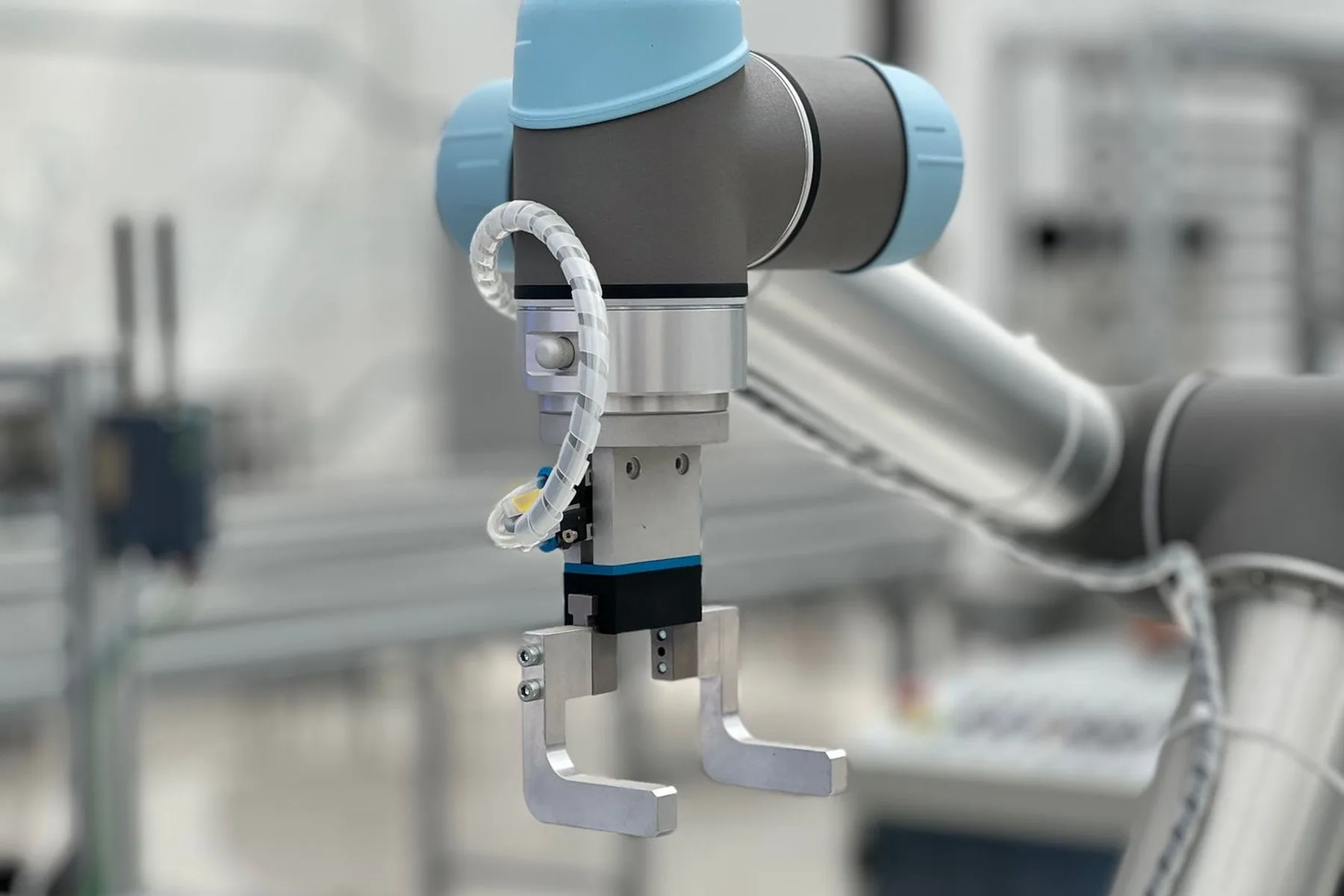
AgiBot World is a real-world dataset released in 2025 by AgiBot, a Shanghai robotics company, and it differs from the academic pools in one structural way: it was collected by a single organization on its own standardized hardware rather than assembled from many labs. That means consistent cameras, consistent control rates, consistent annotation conventions and a humanoid platform rather than a tabletop arm: on the order of a million trajectories, gathered by a fleet of more than a hundred robots.
Task coverage is organized by scenario rather than by skill (household rooms, retail, industrial settings, kitchen work and so on), which makes the distribution look more like daily activity than like a lab task list. The tradeoff is the mirror image of a pooled set: where pooling buys embodiment diversity at the cost of convention diversity, a single-organization collection buys uniformity at the cost of platform diversity. A policy trained on it has seen one robot body, thoroughly.
It is worth knowing about mainly for what it signals about the market. Robot data at this scale used to come from a consortium or a public program; it now comes from companies with a commercial interest in the models trained on it, which is why the licensing terms attached to these releases deserve as careful a read as the data card. If you are specifying a collection, the useful question is which of the two structures your project resembles. One platform and many scenes, or many platforms and one task.
What AgiBot World contains
The contents follow from the platform. Because the collection ran on humanoid hardware, an episode carries whole-body information (base pose and balance-related state alongside arm and hand commands) not just the joint positions of a fixed arm. The cameras and control rates are the same everywhere, because the fleet was built to one specification rather than assembled from many labs.
The tasks are organized by setting rather than by skill. Household rooms, retail space, industrial work and kitchens are the frames, and the skills inside them overlap across frames. That organization produces a distribution closer to ordinary daily activity than to a laboratory task list, which is the intended difference from the academic pools.
One consequence is worth naming. A single organization collecting at this scale imposes one annotation convention, one instruction style and one hardware configuration on the whole set. Uniformity is the product, and the same uniformity is the limit: a policy trained on it has seen one robot body thoroughly and other bodies not at all.
What to verify before training on it
Public availability is not the same as permission. The terms attached to a release of this kind decide whether commercial training is allowed, whether derivatives can be redistributed and what attribution is required, and they should be read before any model work starts. That is true of every company-released dataset, and it matters most when the releasing company also sells models.
The second check is platform fit. Data from one humanoid is a reference for that body, not a drop-in for another: joint layouts, hand designs and control conventions differ between platforms, so transfer usually means retargeting or fine-tuning on your own machine. The useful question is how close your platform and your scenes sit to the ones in the set.
The third is scene coverage against your target environment. A set organized around homes and retail teaches a great deal about those settings and nothing about a factory floor it does not contain. If your deployment setting is absent, the set is pretraining material at best, and the gap has to be filled by collection of your own.
Related terms
-
Humanoid Robot Data
Whole-body demonstrations and sensor logs from robots with legs and arms, where balance is part of every task.
-
Open X-Embodiment
A pooled collection of robot datasets spanning 22 different robot embodiments, built to test whether data from one robot helps another.
-
Robot Manipulation Data
Episodes of a robot arm moving objects, recorded together with the commands that produced the motion.
Keep reading
-
Full glossary
Every term we explain, in one list.
-
How to buy training data
Where these terms actually show up, and which ones change a quote.
-
Help center
How a project runs, from specification to delivery.
Submit a sourcing request
Tell us the language, the hours, and what the data needs to look like. You will get a real number and a real timeline, not a range. If we cannot source it well, we will tell you that instead.
- Pilot batch before the full run, so problems surface early.
- Consent documentation delivered with the data.
- No medical or clinical data. No recorded telephone calls.
- You send the spec Language, hours, recording conditions, and the deadline.
- We reply within two business days A real number and a real timeline, not a range.
- You approve a pilot batch A small run first, so problems surface before the full order.
- Full run, then delivery with documents Audio, transcripts, and the consent record for every speaker.